
"Ethiopian natural process"
1000 article(s) found

A brief introduction to the treatment method of grinding degree and roasting degree of fine coffee in Ethiopian coffee manor
Yirgachefe Coffee this coffee grows in areas ranging from 1500 to 2200 meters above sea level. This coffee is washed in a clear stream, carefully selected by hand and exposed to plenty of sunshine. The taste is unique; the fruit is medium-sized, comparable to Mocha. The taste is mellow, the charm is unique, it gives people a fresh feeling, and the market prospect is optimistic. According to estimates, in 4200
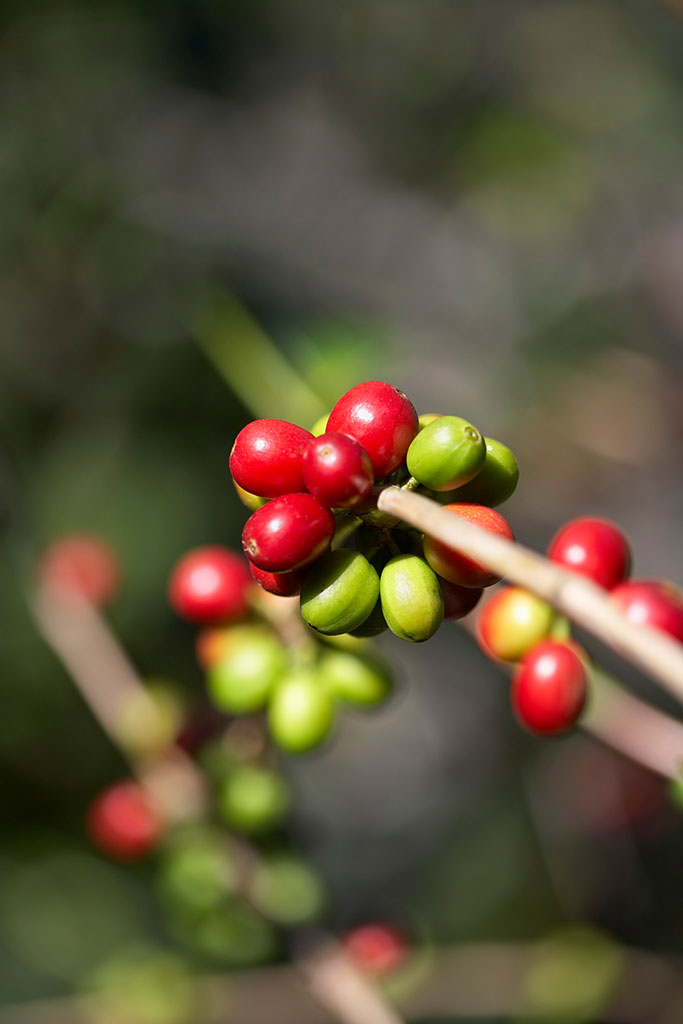
Resa Cooperative Addis Katema Cooperative Vina Gor Ethiopian Coffee
The coffee garden with an elevation of more than 1500 meters has formed a unique coffee style after more than a thousand years of evolution and adaptation. Ethiopian coffee grown in the natural wild environment is called wilderness coffee, which retains the most primitive and natural taste of coffee beans and has the most direct and full expression of the local environment. Production area of Resa Cooperative (1000-1400 m): Gedeo-Wenago Wei

Ethiopian coffee bean flavor taste the manor area introduces fine coffee beans Ethiopian coffee
Sustainable coffee culture Ethiopian coffee beans grow in close to the natural environment, after years of planting under the same growth conditions, Ethiopian coffee beans have gradually adapted to the environment here. More than 60% of coffee beans are grown in forests or semi-forests. The villages that grow coffee in large areas account for about the total amount of coffee produced in the country.

What kind of beans is Huakui Coffee Coffee? introduction to the taste of Ethiopian Sidamo Fakui coffee
Professional coffee knowledge exchange more coffee bean information please follow the coffee workshop (Wechat official account cafe_style) front street Ethiopian Coffee-Sidamo Sakuran introduction Coffee country: Africa Africa, Ethiopia Ethiopian Coffee Manor: Guji Guji, Hambella Wamena area, Dimtu City, Buku able Manor production altitude: 2250m 2350m Coffee

Ethiopian coffee species Origin of Ethiopian coffee
Saifeng coffee beans grow in close to the natural environment, after years of planting under the same growth conditions, Ethiopian coffee beans have gradually adapted to the environment here. More than 60% of coffee beans are grown in forests or semi-forests. Large-scale coffee-growing villages account for about 35% of the country's total coffee production. These use multiple layers.

Ethiopian Ethiopian Esopia Coffee Flavor description method Variety characteristics Taste Manor introduction
Ethiopian coffee flavor description introduces the coffee flavor of Sidamo is very diverse, different soil types, microclimate and countless native coffee species, resulting in obvious differences and characteristics of coffee produced in each town. In 2010-12, he received three consecutive high marks from coffee review 92 to 94, an authoritative coffee review website in the United States.

Flavor characteristics of Ethiopian Yega Xuefei Solar G1 Qierba Chelba Coffee
Professional coffee knowledge exchange more coffee bean information please follow the coffee workshop (Wechat official account cafe_style) Qianjie Coffee introduction Ethiopia Yega Xuefei Solar G1 Chelba Ethiopia Yirgacheffe G1 Chelba, natural producing area: Ethiopia Yega Sheffei Chelba Harvest time: October-February grading: G1 varieties: Native Arabic

Ethiopian Coffee Origin Travel Notes the price of Ethiopian coffee beans is high because it is hard to come by
Professional coffee knowledge exchange more coffee bean information please follow the coffee workshop (Wechat official account cafe_style) presumably, Ethiopia is already very familiar to coffee lovers, this magical country's important position in the coffee world can be said to be unparalleled, and not only because Ethiopia is the birthplace of coffee in the world, as the saying goes.
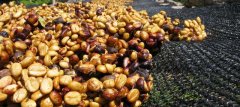
Ethiopian Harar Boutique Coffee
Specialty coffee is also known as specialty coffee. It refers to coffee made from green beans with excellent taste characteristics grown in a few extremely ideal geographical environments. Depending on the particular soil and climatic conditions in which they are grown, they have outstanding flavors. This type of coffee is carefully selected and graded for its hard texture, rich taste and wind.

The process of processing and fermentation of Ethiopian coffee by washing
In the process of fermentation of Ethiopian coffee washing, the peel and pulp of the fruit are treated by a special desizing machine and the coffee beans are peeled off. The coffee beans then enter the fermentation tank for fermentation treatment so that the mucous membrane is no longer sticky. The sugars in the mucous membrane are decomposed during fermentation. Depending on the fermentation method, the fermentation time is usually 12 hours to 6 days (some species

Flavor and treatment characteristics of Chery G1 Sidamo Chire Coffee in Sunshine Sidamo Coffee production area
Easy to water coffee name: Sidamochery Sidamo Chire country: Ethiopia Ethiopia: Xidamochery District Sidamo Chire District Grade: Grade 1 treatment method: sun treatment Natural Process varieties: Ethiopian native species Ethiopian Heirloom altitude: 1900-2000 meters flavor: citrus, green tea

Introduction to the flavor description and grinding characteristics of Ethiopian coffee varieties in producing areas
Grade of Ethiopian coffee: Ethiopian washed coffee Yega Chuefei G1 G2 Sidamo (Yirgacheffe, Sidamo) has the highest grades 2 and 3 (G2, G3), while sun-processed coffee in eastern Ethiopia is mostly grade 4 or 5 (G4, G5). In many cases, level 4 coffee is marked as level 5 in order to reduce taxes. At present, the classification is not uniform and there are
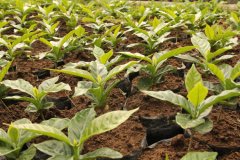
Red Cherry Program improves coffee quality-Limu Kossa Cooperative Introduction
Professional barista exchanges, please pay attention to coffee workshop (Weixin Official Accounts cafe_style ) Ethiopian Red Cherry-Limu Kossa Sun-dried Beans Ethiopia is the first country where coffee was discovered. Nowadays, there are still many wild coffee in the virgin forest for farmers to gather and use. Ethiopia is a poor, drought and civil war country.

What is ECX? Boji Washing Plant Introduction Ethiopian native coffee flavor
Professional coffee knowledge exchange More coffee bean information Please pay attention to coffee workshop (Weixin Official Accounts cafe_style) Ethiopia is not only the birthplace of coffee, but also provides incredible diversity of flavor characteristics in its micro-region. Coffee from the Kochere region has a rich fruity tea flavor, accompanied by typical citrus and stone fruit. Combine it with natural processing

A brief introduction to the flavor and taste characteristics of Ethiopian coffee manor with moderate acidity and alkalinity
Harald Coffee this coffee grows in areas ranging from 900m in the Darolebu plain to 2700 m in the highland mountain range of Chercher in eastern Ethiopia. These mountains do provide unique characteristics for these perennial coffee beans: the fruit is full and long, moderately acidic, and the typical mocha is refreshing.

Ethiopian Sun-Sunned Uchilo Coffee Bean Flavor Description Region Information_Ethiopian Origin Direct Delivery Coffee
Professional coffee knowledge exchange More coffee bean information Please pay attention to coffee workshop (Weixin Official Accounts cafe_style) Ethiopia Aris Werka Uchuro Ethiopian coffee birthplace, can start directly from the history of drinking hair. In 850, a shepherd in Ethiopia discovered that his goats had become spirited after eating certain fruits. A group of hate couples know

Processing methods and methods of Ethiopian Coffee Mokasidamo Coffee
The coffee flavor treated by mocha Sidamo Sidamo coffee is not easy to have wild flavor, and has the characteristics of purity and freshness, which is suitable for the baking degree from City to Full City. In some Ethiopian water-washed coffee beans with excellent nature, obvious rising lemon, citrus essential oils, jasmine, honey and so on can be detected.

Introduction to the characteristics of Coffee Flavor and Taste varieties in Xidamo Shaqiso producing area
In July 1991, EGF hosted a national conference with the participation of more than 20 political and ethnic organizations. The meeting adopted the Transitional Charter and elected an 87-member House of Representatives, with EGF Chairman Meles Zenawi as President of the Transitional Government and President of the House of Representatives. A transitional government was established. On May 24, 1993, Eritrea (formerly Eritrea Province of Ethiopia) adopted the International Community.

Sweet and pleasant Ethiopian coffee estate fine coffee bean varieties planted export market price Jane
Ethiopia exports 80 - 85 per cent of natural or sun-cured coffee beans and 15 - 20 per cent of wet-processed coffee beans annually. Ethiopia has an estimated 2.5 percent market share in the global coffee market. Ethiopia's coffee exports to all parts of the world, Germany, Japan, Saudi Arabia and the United States are Ethiopia's four major coffee export countries. On average,

Description of Coffee Flavor and Taste in Ethiopian Water washing Yega Xuefei G1 Kochel Chevron processing Farm
For the exchange of professional baristas, please follow the coffee workshop (Wechat official account cafe_style) Product name: Ethiopia Sun Yega Xuefei G1 Snow Picture (Ethiopia Natural Yirgacheffe Chelelektu G1) Flavor description: raisins, dark berries, tropical fruits and caramel, delicate aftertaste countries: Ethiopia (Ethiopia) producing area: Yega snow